The International Program for Strengthening Capacities in Electoral Management was held in Salamanca
Salamanca, Spain — June 30th, 2026
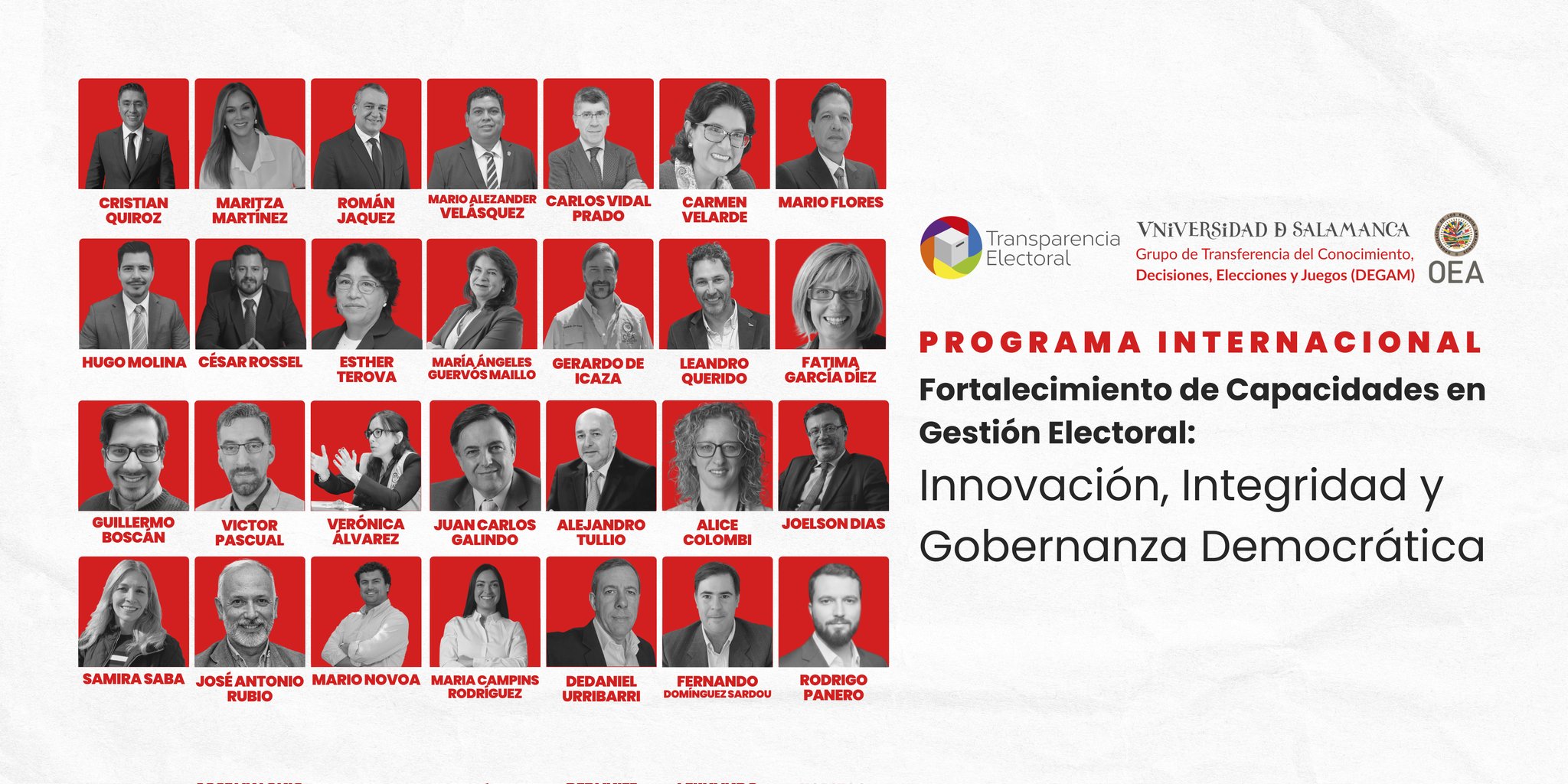
The Electoral Transparency Foundation, in partnership with the DEGAM (Decisions, Elections and Games) Knowledge Transfer Group of the University of Salamanca, and with the support of the Organization of American States (OAS), successfully conducted the International Capacity Building Program in Electoral Management: Innovation, Integrity, and Democratic Governance, held on June 29th and 30th at the historic campus of the University of Salamanca.
The program brought together national and subnational electoral authorities, officials and technicians from electoral bodies, specialists, academics, international election observers, and advanced students from various Latin American countries and Spain.
The opening remarks were delivered by María Ángeles Guervós Maillo, Dean of the Faculty of Law at the University of Salamanca; Guillermo Boscán, of the DEGAM Group; and Leandro Querido, Executive Director of the Electoral Transparency Foundation, who welcomed the participants along with Gerardo de Icaza, Director of the Department for Electoral Cooperation and Observation (DECO) of the Organization of American States.
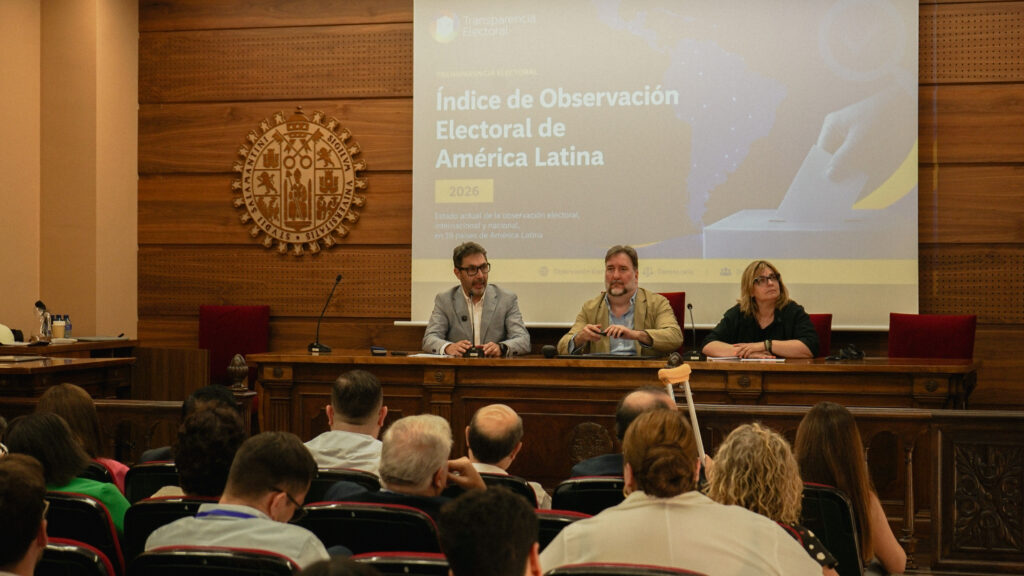
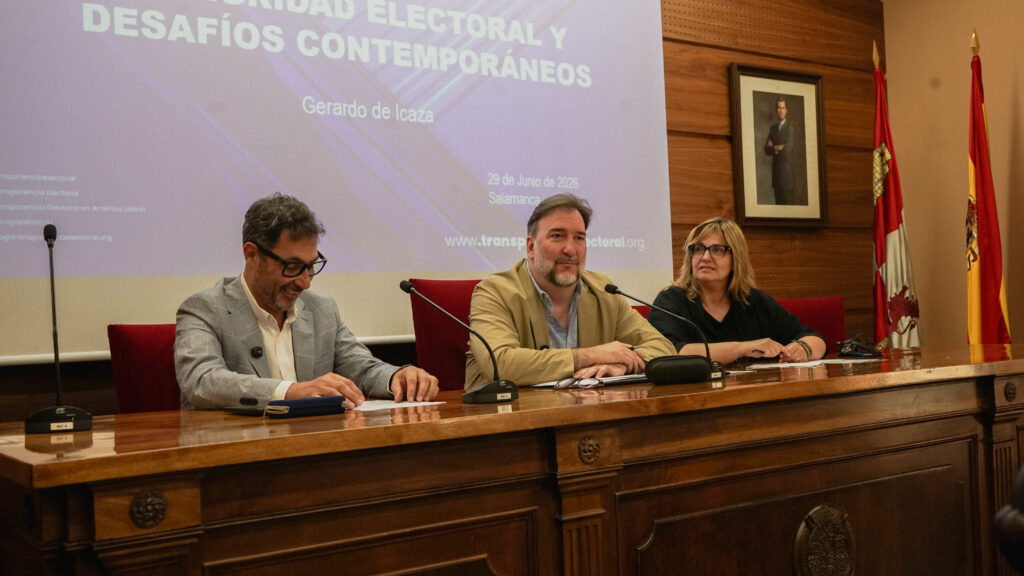
Day One: Communication, Crisis, and Disinformation
On Monday, June 29th, opened with an analysis of the current state of democracy and electoral bodies in the region, presented by Gerardo de Icaza (OAS), Leandro Querido (Electoral Transparency Foundation), and Fátima García Díez (University of Salamanca). Subsequently, judges and specialists such as Maritza Martínez (National Electoral Council of Colombia), César Rossel (Superior Electoral Court of Paraguay), and Fernando Domínguez Sardou addressed the challenges of institutional communication and crisis management in contexts of polarization.
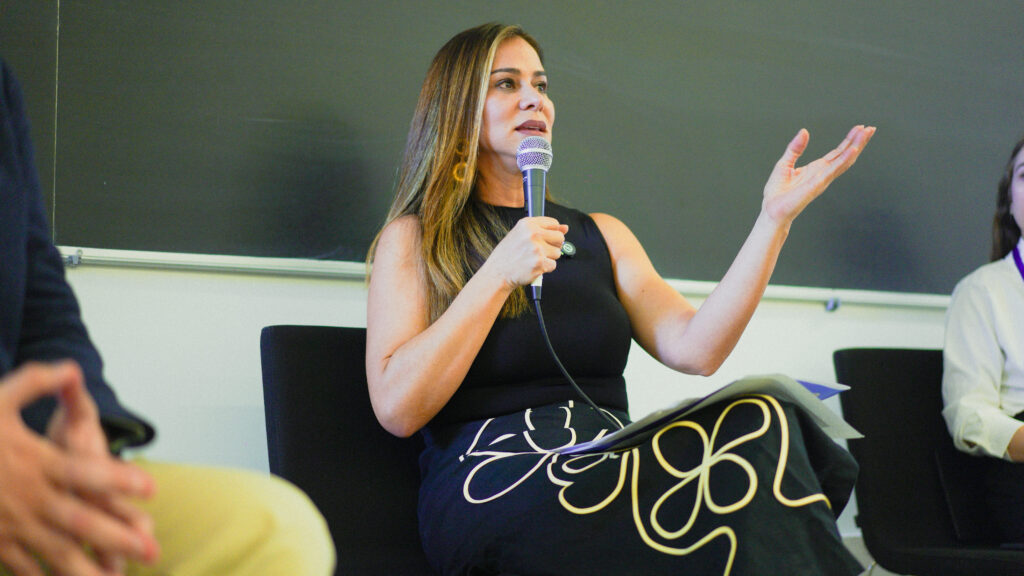
The day continued with a panel dedicated to disinformation and its impact on electoral processes, with the participation of Carlos Vidal Prado (Central Electoral Board of Spain), Juan Carlos Galindo (former National Registrar of Civil Status of Colombia), Alice Colombi and Samira Saba (Smartmatic).
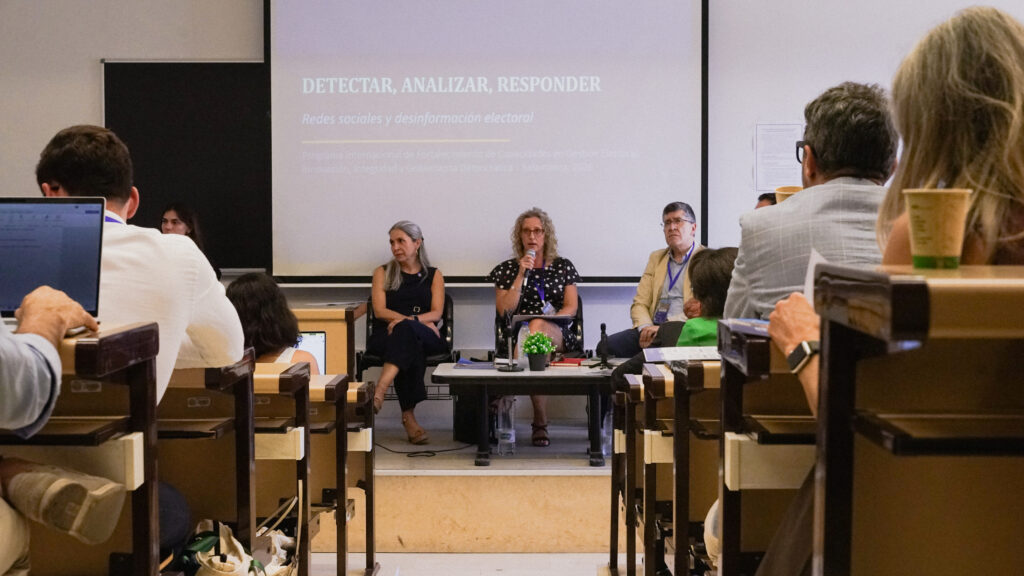
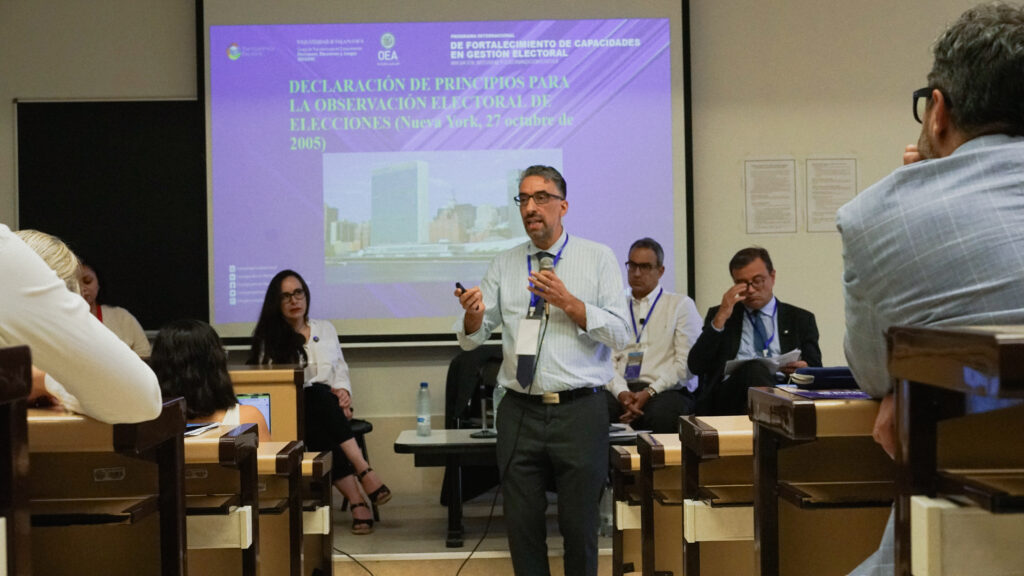
The day ended with a panel on international election observation, in which Verónica Álvarez (DECO/OAS), Víctor Pascual (UNIR) and Joelson Dias, former minister of the Superior Electoral Court of Brazil, spoke about the standards of and current challenges to both domestic and international election observation.
Day Two: Artificial Intelligence, Technology, and Electoral Justice
On Tuesday, June 30th, the second day focused on the impact of artificial intelligence on elections, with presentations by José Antonio Rubio Blanco (Indra Group), Alejandro Tullio (former National Electoral Director of Argentina), and Rodrigo Panero. This was followed by a panel discussion on election technology, verifiability, and democratic safeguards, featuring Fernán Ocampo González (LinkTIC), María Campins Rodríguez (TIVI), Mario Novoa (EVoting), and Dedaniel Urribarri (CGTS).
A session on identity, voter registration, and personal data protection was also held, with Román Jáquez (Chairman of the Central Electoral Board of the Dominican Republic), Carmen Velarde (National Head of the National Registry of Identification and Civil Status -RENIEC- of Peru), and Josie Thum, Senior Advocacy Officer at Privacy International.
Thum mentioned PI’s Technology, Data and Elections: A Checklist on the Election Cycle, which identifies the key areas of the electoral process where technology and the processing of personal data play a major role, and covers the issues at stake, policy recommendations, and questions that election observers could use to assess whether the national electoral frameworks are adequate to protect against the exploitation of data in elections.
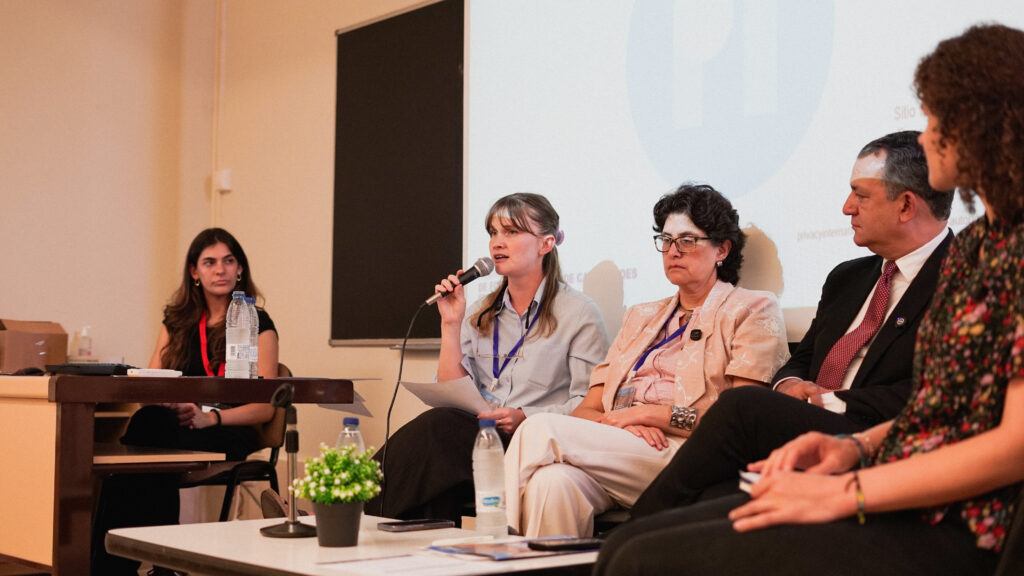
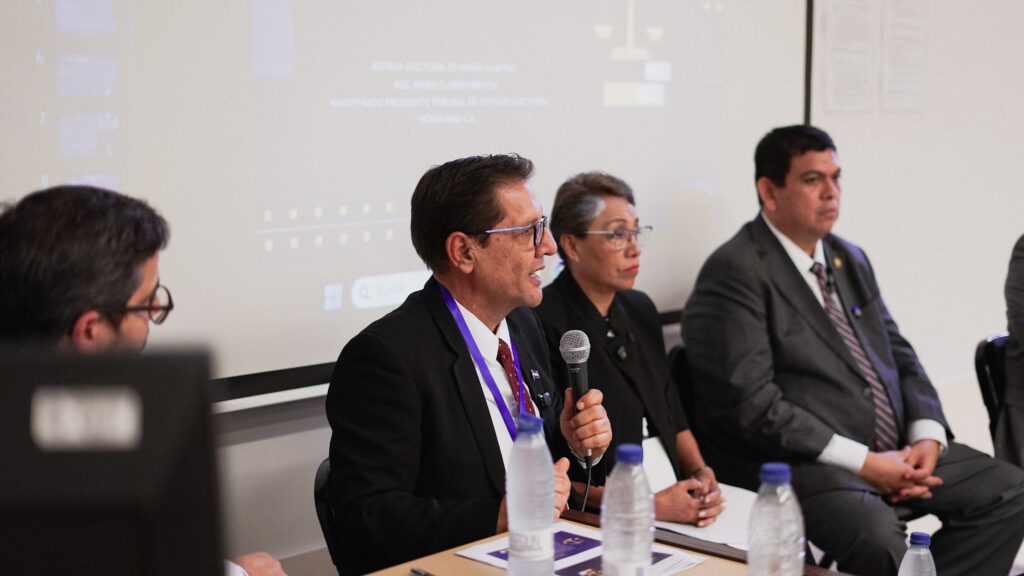
The day culminated with a panel on electoral justice in Latin America, in which Cristian Quiroz (Presidente of Colombia’s CNE), Esther Terova (President of the Electoral Tribunal of Tlaxcala, Mexico), Mario Flores (President of the Supreme Electoral Tribunal of Honduras), Mario Velásquez (Secretary General of the Supreme Electoral Tribunal of Guatemala) and Hugo Molina Martínez (President of the Electoral Tribunal of Chihuahua, Mexico) participated, each of whom analyzed the importance of independence of the electoral judiciary in the face of political pressure and polarization.
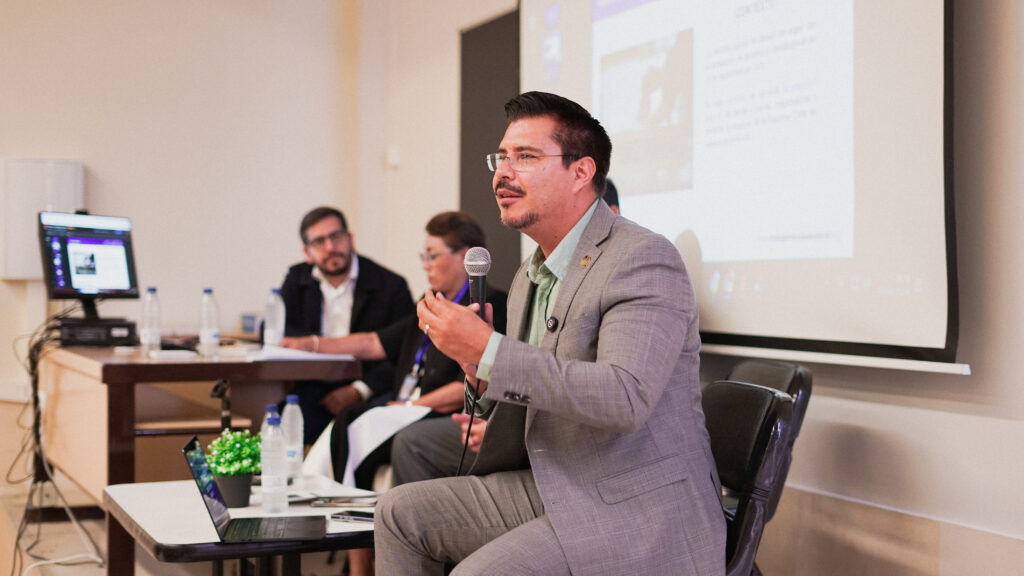
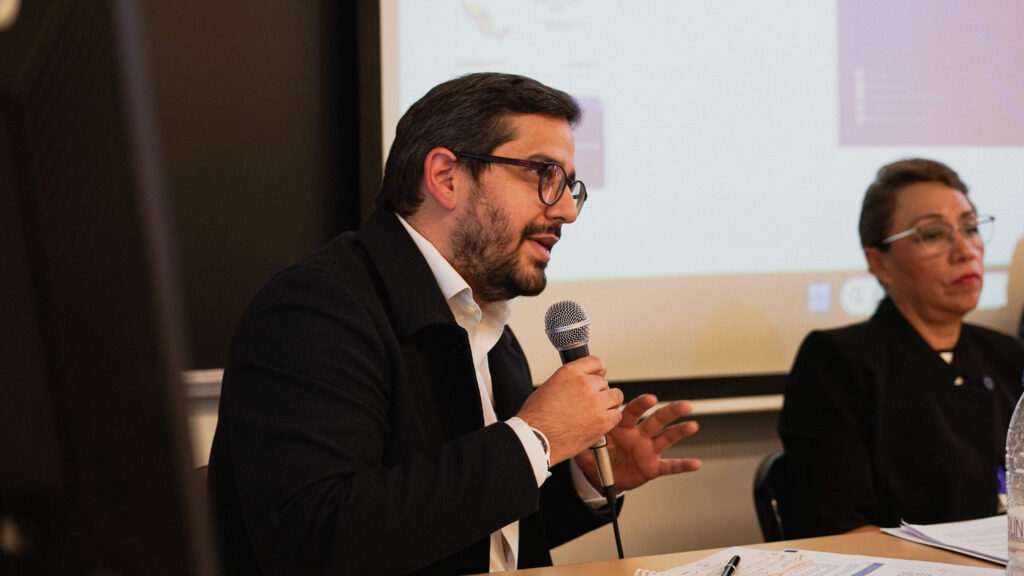
The closing ceremony was led by Leandro Querido (Electoral Transparency Foundation) and Gerardo de Icaza (OAS), who emphasized the value of the exchange between electoral authorities, academia, and the private sector for strengthening the institutional capacity of electoral bodies.
With this latest edition of the International Program, the Electoral Transparency Foundation and partners reaffirmed its long-standing commitment to defending electoral integrity and strengthening democratic governance in the Americas. Through training opportunities, dialogue, and the exchange of experiences such as this one, the organization continues to promote the development of stronger, more transparent, and more reliable electoral institutions, capable of responding to the challenges posed by disinformation, the emergence of new technologies, and the growing political polarization in the region.